Three ways radiologists can close the gap with referring physicians
Writing in Diagnostic Imaging in 2020, Dhruv Chopra, then CEO of Collaborative Imaging (now CIVIE), argued that communication with referring physicians is one of radiology’s most complicated problems, and one with direct consequences for patients.
Why it matters
Good communication improves care, has been shown to shorten hospital stays and helps make sure incidental findings and recommendations aren’t overlooked. Poor communication between clinicians, Chopra noted, is one of the primary causes of medical mistakes.
Collaborative Imaging saw a practical version of the problem across the practices it worked with: radiologists were often left tracking down referring physicians’ contact details. Incorrect or missing information becomes, in his words, “a logistical nightmare” when an abnormal or critical finding has to be communicated immediately, and the clerical work interrupts reading.
Talk directly
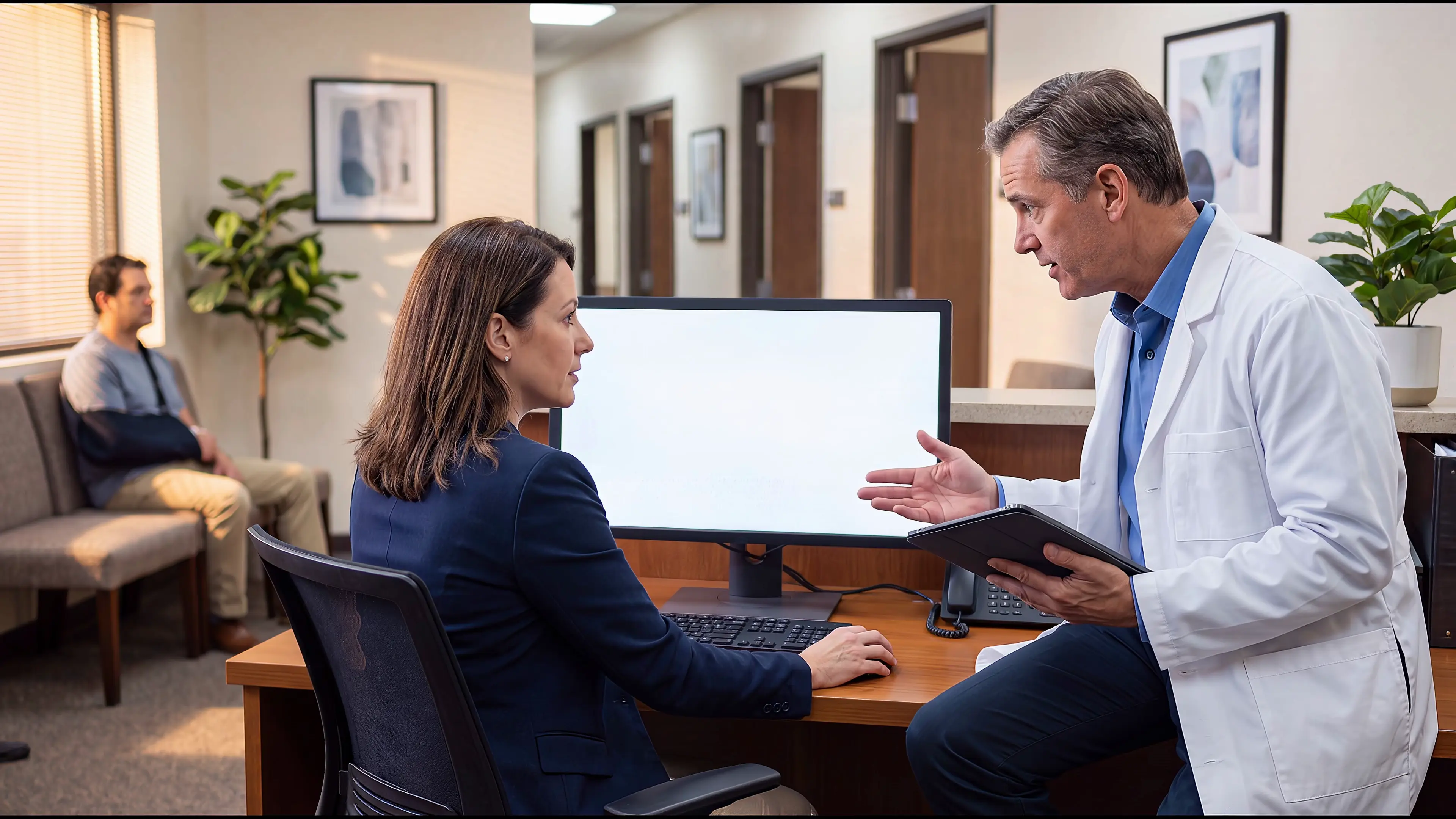
The first recommendation is direct contact, ideally by phone or email. Chopra cited a study in which clinicians were more than 25 percent more likely to follow a radiologist’s recommendation when the radiologist communicated with them directly. In the same study, the compliance rate with direct communication reached 93 percent. Direct contact also cuts out middlemen, so recommendations reach patients sooner.
Make it standard across the practice
Direct communication should be the norm for the whole group, not individual habit. He suggested radiologist leaders set practice-wide expectations and give staff materials to work from, anything from a one-page checklist to a group-wide database. Once the process is in place, practices should share it with their referring physicians on a semi-annual basis, which keeps the practice accountable and gives referrers a chance to say how it’s working.
Use technology to route findings
Finally, Chopra described the tools Collaborative Imaging had been building: consolidated contact information for referring clinicians, and AI that reads the radiology report to identify abnormalities, critical findings and recommendations. That information goes to a critical findings notification team, and referring physicians can view images and reports with one touch. The application also lets a referrer start a secure, real-time video conference with the reading radiologist or a subspecialist of their choice.
No single answer
He acknowledged there’s no one-size-fits-all solution, but argued the right strategy ultimately gives patients more effective care. Closing the loop on recommendations is still a core part of CIVIE’s reporting and follow-up tools.
Source: “How To Successfully Communicate with Referring Physicians,” Dhruv Chopra, Diagnostic Imaging, February 25, 2020.